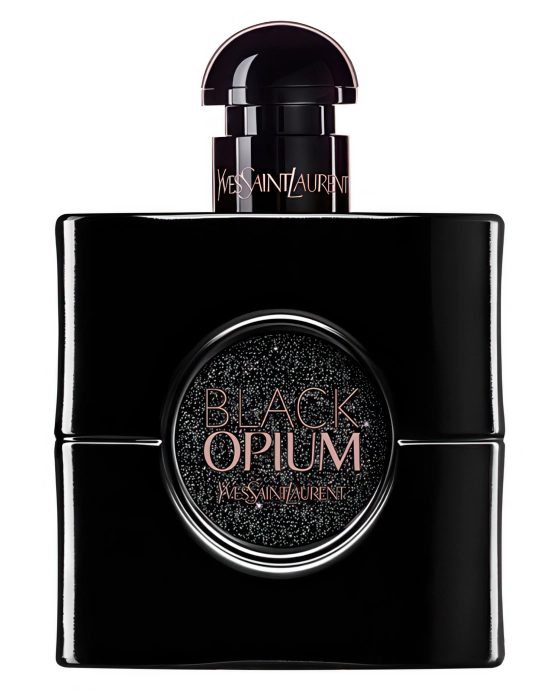
Black Opium Le Parfum by Yves Saint Laurent | Editorial Review
A quartet of black vanillas melts into coffee turned warm chocolate, building a dark, three-dimensional gourmand. Its dense, addictive sweetness turns every spritz into an enveloping pleasure that's almost impossible to resist.
WHAT DOES BLACK OPIUM LE PARFUM SMELL LIKE?
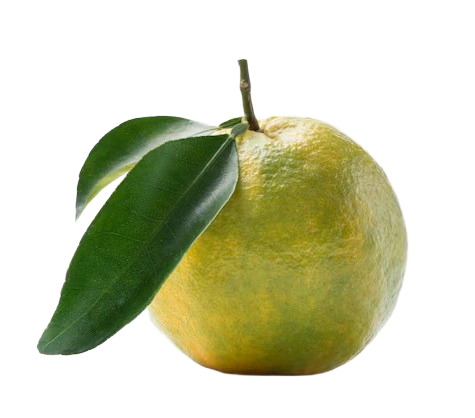
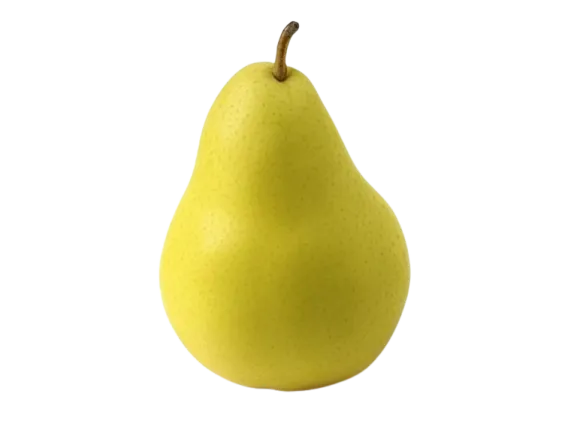
The first impression is a vivid rush of ripe fruit and spice: the juicy sweetness of pear meets the tart snap of green mandarin and the dry warmth of cinnamon. It's an opening that calls to mind a winter fair or a mug of hot cider, a bright, festive spark that grabs your attention before the composition turns darker and deeper.
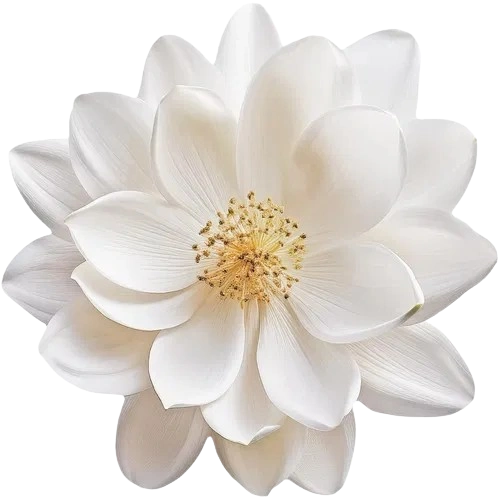
A few minutes in, the fragrance softens into a creamy white floral heart. Jasmine and orange blossom bring a fresh-petal texture with a subtle undercurrent of honey, creating a warm, radiant glow, like skin warmed by the sun. At this stage the perfume sheds its fruity spark for something more enveloping and sensual, setting the stage for the composition's true star.
The drydown is where the fragrance truly finds its identity, built on a three-dimensional, extraordinarily rich vanilla drawn from several distinct extracts. Far from flat or artificial sweetness, this base weaves in notes of rum, cocoa, and freshly split vanilla pod, conjuring a decadent dessert or a hot chocolate laced with liqueur. Coffee folds in as a creamy companion rather than a bitter lead, leaving behind a dense, warm, addictive trail that lingers on skin for hours, like a comforting embrace.
Olfactory Pyramid

Top Notes

Heart Notes



Base Notes
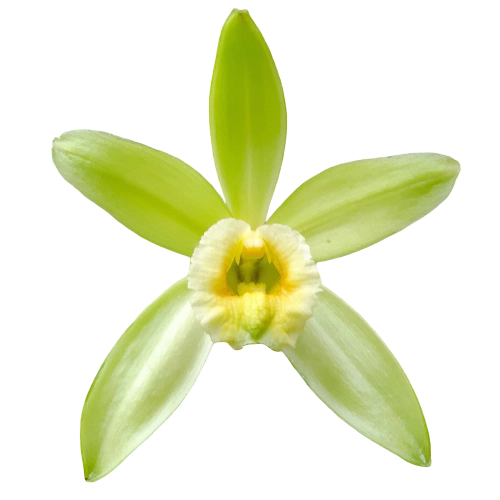
Top Notes
Heart Notes
Base Notes
Specification: Black Opium Le Parfum by Yves Saint Laurent | Editorial Review
|
 amazon.com
 Perfumers (4)
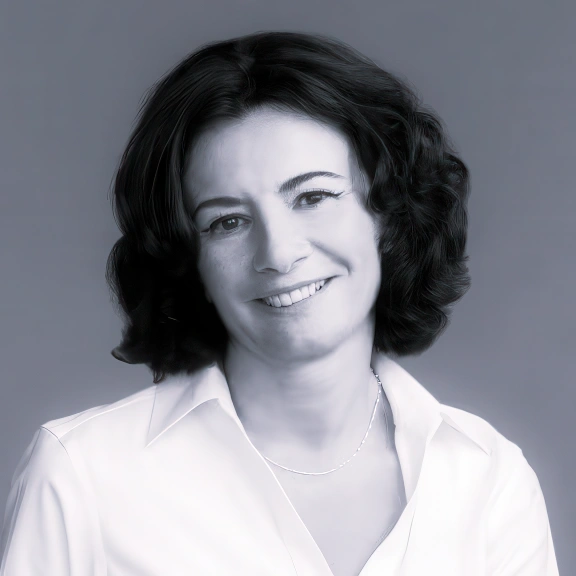
Honorine Blanc
Honorine Blanc was born in Beirut, Lebanon, and left for Paris at the age of sixteen due to the country’s political instability. There she studied mathematics, physics and chemistry before training as a perfumer at ISIPCA, from which she graduated with honors. She began her career as an intern at IFF under master perfumer Sophia Grojsman, later worked at Fragrance Resources, and joined Firmenich in 2005, where she was named Master Perfumer in 2013. In 2026 she received The Fragrance Foundation’s Lifetime Achievement Award.
She created fragrances for houses including Yves Saint Laurent, Gucci, Ralph Lauren and Lancôme, among them Black Opium (in collaboration with Nathalie Lorson, Marie Salamagne and Olivier Cresp) and La Nuit Trésor à la Folie.
Her rule-free style pairs clear structures with an intangible sensuality. Drawing inspiration from Beirut, literature and sailing, she has built a distinctive body of work within contemporary perfumery.
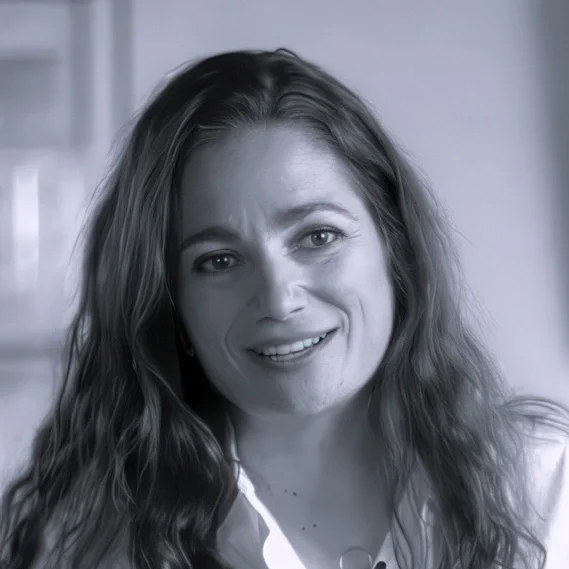
Marie Salamagne
Marie Salamagne was born in Paris in 1977 into a family of doctors. She began studying medicine before turning to chemistry and then perfumery, training at ISIPCA and Charabot. She joined Firmenich in 2001, where she was later named Master Perfumer.
She has collaborated with houses including Yves Saint Laurent, Guerlain, Giorgio Armani, Jo Malone and Nina Ricci, and helped create fragrances such as Black Opium, Mugler’s Aura and Maison Margiela’s By the Fireplace.
Her creative process is spontaneous and intuitive. She works with notebooks in which she explores materials, natural notes and base notes, often associating scents with colours. Passionate and daring, she combines instinct and experimentation to give her perfumes an emotional richness capable of evoking memories and transporting those who wear them.
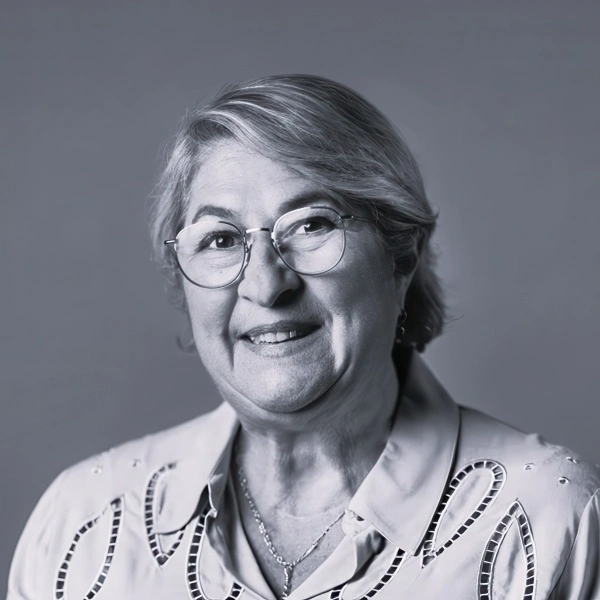
Nathalie Lorson
Nathalie Lorson was born in Grasse, the birthplace of perfumery, where her father worked as a chemist at Roure. Her passion for scent took root in childhood, watching essences and bottles in her father's laboratory. She trained at the Roure Bertrand Dupont school, one of the few women in the field at the time. She began her career at IFF in 1987 and joined Firmenich in 2000, where she was named master perfumer.
She created fragrances including Bvlgari Femme, Lalique Amethyst, Encre Noire, Flora by Gucci and Le Labo Poivre 23, and co-created YSL Black Opium alongside fellow Firmenich perfumers; in 2015 she was named Perfumer of the Year in France and Italy.
Her style, marked by smooth, rounded materials, reflected a constant search for new olfactory territories, fueled by her travels and curiosity.

Olivier Cresp
Olivier Cresp, a French master perfumer and founder of Akro, is a legendary figure in modern perfumery. His heritage in Grasse shaped his olfactory sensitivity from childhood. Raised among fields of roses and jasmine, he developed an exceptional scent memory that permeates his creations. With hundreds of fragrances to his name, he co-created icons such as Thierry Mugler’s Angel, Dior’s Midnight Poison and Paco Rabanne’s Black XS.
His style, defined by bold and timeless concepts, blends artisanal precision with captivating creativity. Honored as Master Perfumer and Chevalier de l’Ordre des Arts et des Lettres, Cresp has mentored new talents while promoting the craft of fragrance.
His love for refinement—from gastronomy to art—echoes in perfumes designed to endure beyond trends, cementing his legacy in global perfumery.
The Scent
Fragrance Notes
Yves Saint Laurent describes Black Opium Le Parfum as an intensification of its iconic coffee-floral signature, taken to a new, singular, and radical level. The brand's signature coffee notes and bouquet of white flowers intertwine with an exceptional, complementary quartet of vanillas — an accord that brings depth, balsamic warmth, woody inflections, and powdery-almond facets.
| Source | Top Notes | Heart Notes | Base Notes |
|---|---|---|---|
| Fragrantica | Cinnamon, Green Mandarin, Pear | Orange Blossom, Jasmine Sambac, Solar Notes | Vanilla Absolute, Coffee, Vanilla Orchid, Patchouli, Bourbon Vanilla, Madagascar Vanilla |
| Parfumo | Cinnamon, Calabrian Green Mandarin, Pear | Orange Blossom, Jasmine Sambac | Madagascar Vanilla Orchid Absolute, Bourbon Vanilla Absolute, Tahitian Vanilla Absolute, Coffee, Indonesian Patchouli, Bourbon Vanilla |
Fragrance Family
| Source | Family | Accords |
|---|---|---|
| Yves Saint Laurent | Not specified | Almond, Balsamic, Coffee, Floral, Powdery, Woody |
| Fragrantica | Not specified | Balsamic, Cinnamon, Citrus, Coffee, Fruity, Powdery, Sweet, Vanilla, Warm Spicy, White Floral |
| Parfumo | Sweet Gourmand (top accords) | Creamy, Floral, Fruity, Gourmand, Oriental, Powdery, Spicy, Sweet |
Layered onto that core character is a touch of Floral Spicy Amber: cinnamon makes itself known right from the opening, while jasmine sambac and orange blossom carve out their own presence in the heart, not just in the base.
Scent Evolution
Opening
Estimated: 15–30 minutes. The approximate time it takes for the most volatile ingredients to evaporate before the fragrance settles into the skin.
The first encounter with Black Opium Le Parfum blends ripe fruit and warm spice. Pear brings a juicy sweetness, green mandarin adds a tart brightness, and cinnamon contributes a dry, spiced warmth. It's a brief opening, meant to set the tone before the florals step forward and the darker notes take hold.
The citrus comes from southern Italy and doesn't read as sweet, freshly peeled fruit. It leans closer to the smell of a rind just torn open — tangy and faintly green. The ripe fruit balances that freshness with a rounder, jammier sweetness, giving the opening an enveloping character that keeps it from turning cloying or synthetic.
The spice rounds things out with a dry note, closer to a freshly snapped stick of cinnamon bark than bakery-shelf spice powder. It doesn't fade right away, lingering instead as the fragrance moves toward its floral heart. In a handful of cases, a sharper, rubbery edge shows up that some wearers liken to hot rubber, leather, or a menthol-tinged balm, though it fades quickly without throwing off the development.
When the fruit and spice sit on the skin a little longer, the combination calls to mind hot cider or a winter fairground stall. Wearers largely agree that this festive, warming balance works as a bright preview before the fragrance's true identity officially takes the stage, easing the transition into the florals.
Heart
Estimated: 2–4 hours. This stage unfolds between the first half hour and roughly four hours after application, cementing the floral character before the base takes over.
Once the opening fades, white flowers move to the front. Jasmine sambac brings a creamy aroma with a faint fruity edge, while orange blossom adds a cleaner profile, closer to fresh petals with a soft undertone of honey. From here, the perfume takes on a distinctly floral, luminous, elegant character.
This accord plays out differently depending on skin chemistry. Most wearers get a soft, sensual read, though on some skin an indolic edge emerges. This slightly animalic, more intense facet is natural to certain white flowers at higher concentrations, and here it adds a wild, deep undertone without ever taking over or turning unpleasant.
Fragrantica's note list also includes solar notes, an olfactory effect meant to evoke the feeling of sun-warmed skin rather than a literal ingredient. In this composition, that radiant warmth comes from the florals meeting the first sweet hints emerging from the heart, tempering the weight of the base and keeping the fragrance light on its feet.
As this phase progresses, wearers notice the floral accord losing intensity, letting the first toasted hints of the base peek through. The flowers don't vanish outright — they fade to make way for a final stretch that's sweeter, warmer, and more enveloping, where vanilla will claim absolute center stage over the rest of the composition.
Base
Estimated: 8–12 hours on skin, up to 24 hours on fabric. This final stretch defines the fragrance's identity and carries it through most of its lifespan, leaving a lingering trail.
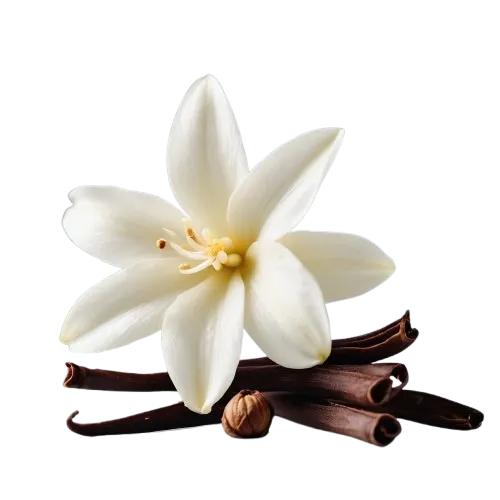
The drydown centers on what the maison itself presents as a quartet of vanillas. These four distinct extracts aren't there simply to pile on sweetness — each contributes its own nuance to the same note. The result is a vanilla with more depth and more movement over the hours than any single, flat or overly sugary extract could offer.
The foundation starts with Madagascar Planifolia, which combines an intense sweetness with hints of rum and chocolate. Joining it are vanilla pod absolute, with a smokier profile; bourbon infusion, reminiscent of a freshly split pod; and Tahitensis, softer and powdery. Together, they build a three-dimensional texture that steers clear of the synthetic flatness so common in this category.
Coffee settles in fully during this stage, though it rarely comes across as a bitter, roasted espresso shot. The consensus among critics and wearers is that this note shifts toward dark chocolate, milk cocoa, or liqueur. The brand frames it as the driving force, but the real olfactory experience relegates it to a creamy companion to the vanilla.
Indonesian patchouli acts as a woody, earthy anchor for the sweetness, keeping the whole from tipping into cloying territory. Some specialized sources also point to an amber-like nuance tied to ambroxan, a synthetic molecule that reinforces a clean sense of warmth and helps the fragrance hold its presence longer. This structural base supports the whole composition without ever standing apart on its own.
The final result moves completely away from the coffee-forward focus of the original Black Opium. Wearers describe this base as a luxury dessert, comparing it to a perfect pudding, a boozy hot chocolate, or an artisanal syrup. Vanilla clearly dominates the drydown, forming a warm, lingering mass that stays on the skin with an almost static richness — creamy and addictive to the very end.
Performance
Longevity | Projection | Sillage
Creation
Perfumer | Philosophy | Composition
Bottle
Design | Materials | Symbolism
Sustainability
Sustainability | Ethics | Ingredients

Campaign
Concept | Ambassadors | Narrative

Awards
Awards | Reviews | Recognition
Variations
Editions | Concentrations | Flankers
Related Products