Black Orchid Eau de Parfum by Tom Ford | Editorial Review

Add your review

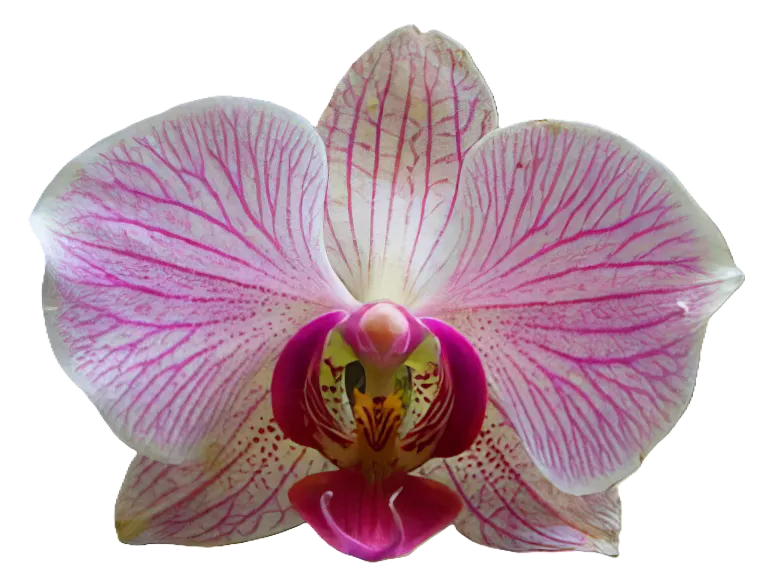
Black Orchid builds its identity on a flower that doesn't exist: a black orchid captured in the lab so Tom Ford could create something nature had never offered before. Earthy, spiced, and chocolate-laced. Its darkness doesn't intimidate: it seduces.

Brand:

Classification: Amber, Floriental
Sillage: Strong ●●●○
Longevity: Long-Lasting ●●●●○

WHAT DOES BLACK ORCHID EAU DE PARFUM SMELL LIKE?

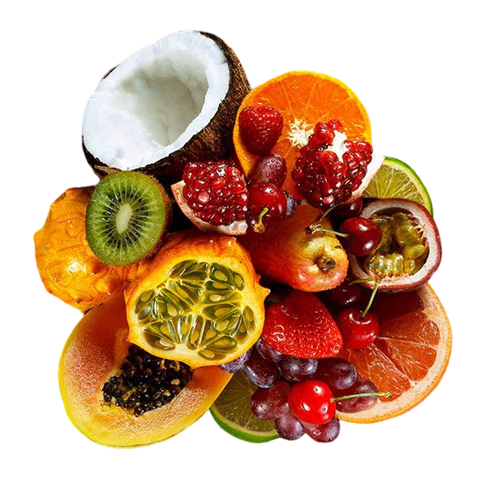
Black Orchid opens with an immediate, unmistakable presence. In the first seconds, what arrives isn't a flower or a conventional citrus note, but something darker and stranger: damp earth, black truffle, and dark fruit teetering on the edge of fermentation, with a brief citrus flash that fades quickly to make room for the density that defines everything that follows. It's an intense, unusual opening that can catch you off guard on first contact, yet transforms into something far more balanced and seductive once it meets warm skin.

As it evolves, the fragrance reveals its heart: a dark, imagined flower wrapped in warm spices, macerated fruit, and a velvety texture unlike any conventional floral. The flowers are present, but processed, darkened, and fused into a spiced, creamy mass that unfolds slowly and resists easy dissection. It's the most complex phase, and the one that ultimately defines the fragrance's singular character.

The base is where Black Orchid turns warmer and more enveloping. What remains is a blend of dark chocolate, creamy patchouli, and dense vanilla, closer to a cold ganache or bitter cocoa over wood, with a veil of incense that preserves the fragrance's signature darkness without tipping it into something sweet or cloying. It's a long, persistent, comforting drydown, one that many describe as the easiest phase to wear and the one that finally wins over those who hesitated at first.

Specification: Black Orchid Eau de Parfum by Tom Ford | Editorial Review

Concentration

Classification

,

Accords

, , , , , , , ,

Longevity

Sillage

Style

, , , , , , , , , ,

Occasion

, , , ,

Season

,

Climate

, ,

Line

Origin

Country

Year

Sizes

, , , ,

Duration

12 hours or more, 6 to 8 hours, 8 to 12 hours

View Current Deals

Offer amazon.com
Last update was on: June 30, 2026 20:30

Perfumers (2)

The Scent

Fragrance Notes

Source Top Notes Heart Notes Base Notes
Tom Ford Beauty Bergamot, Bitter Orange, Black Truffle, Ylang-Ylang Black Plum, Black Orchid, Rum Absolute Patchouli, Vanilla
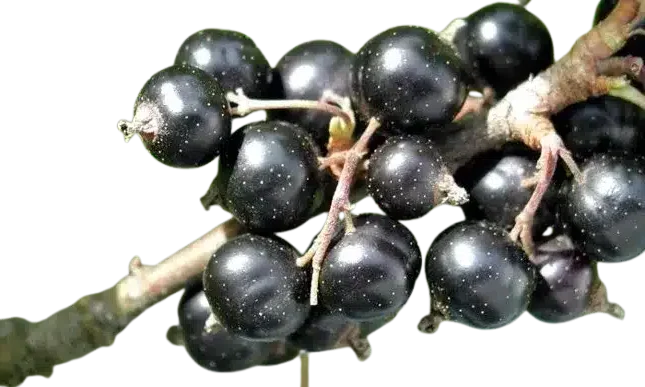
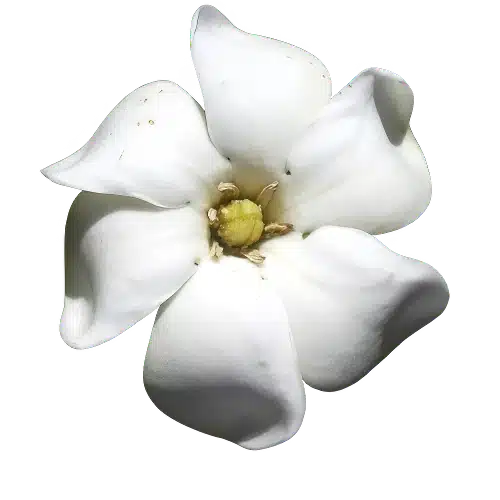
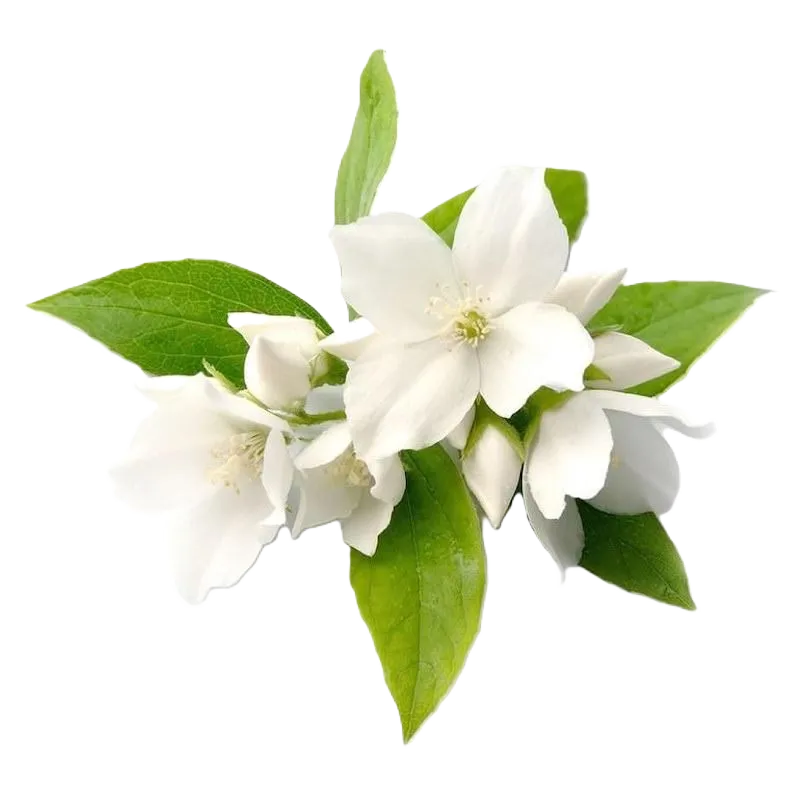
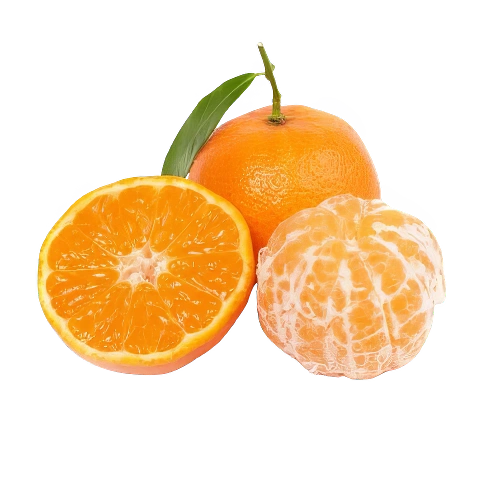
Fragrantica Bergamot, Gardenia, Black Currant, Jasmine, Amalfi Lemon, Mandarin Orange, Truffle, Ylang-Ylang Spices, Gardenia, Jasmine, Lotus, Fruity Notes, Orchid, Ylang-Ylang White Musk, Amber, Mexican Chocolate, Incense, Patchouli, Sandalwood, Vanilla, Vetiver
Parfumo Bergamot, Bitter Orange, Black Truffle, Ylang-Ylang Black Plum, Black Orchid, Rum Patchouli, Vanilla

Fragrance Family

Source Family Accords
Tom Ford Beauty Not specified Dark, spicy
Fragrantica Floral Oriental Warm spicy, earthy, woody, sweet, amber, patchouli, floral, chocolate, powdery, balsamic
Parfumo Floral Oriental Floral, oriental, sweet, spicy, woody, earthy, fruity, smoky, gourmand

According to the French Society of Perfumers (SFP) classification, Black Orchid fits primarily within the Amber-Oriental family, in the Floriental subfamily. Its combination of florals like orchid, ylang-ylang, and jasmine, paired with spicy, balsamic, and amber notes, places it clearly within this category.

The chocolate facet, the patchouli, and the woody base notes also support a secondary reading as Floral Woody Amber. The difference between the two classifications is subtle, though, and depends on which aspects of the composition are considered more dominant.

Scent Evolution

Opening

Black Orchid's opening is dark, dense, and immediately impactful. The first thing you notice isn't a flower or a citrus note, but something stranger: damp earth, mushroom, dark fruit on the verge of fermenting.

This opening calls to mind a cellar stocked with truffle and black currant rather than a conventional floral perfume. A citrus flash does register at first, but it's brief and almost illusory, fading within seconds to make way for the darkness that defines everything that follows.

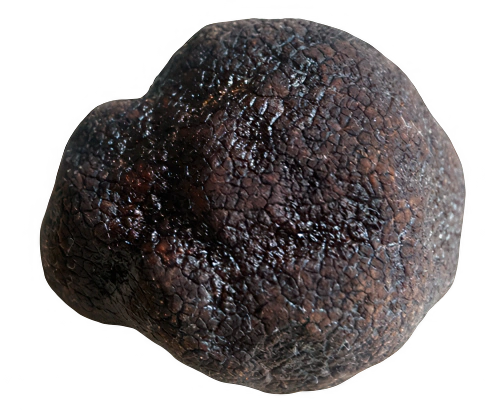
At the center of this opening sits black truffle, an unusual ingredient in perfumery that evokes damp earth, mushrooms, and a restrained animalic quality.

The house describes it as aphrodisiac, with chypre-like undertones, an olfactive family that blends freshness, earth, and moss into a single signature. It isn't a sweet or floral ingredient: it's earthy, almost medicinal in the first moments, and works as the axis around which everything else is built.

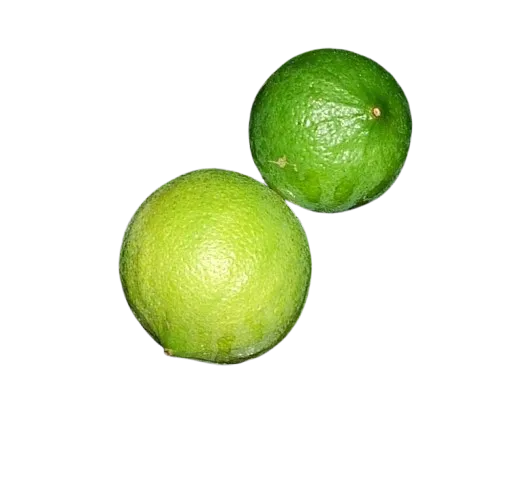
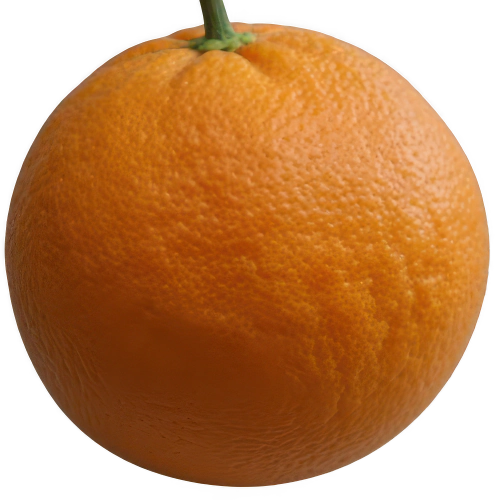
Bergamot, mandarin, and bitter orange contribute a brief citrus nuance that enriches the opening without softening its dark character. Their presence is fleeting, quickly giving way to the composition's denser, deeper facets.

Black currant reinforces that tension from the very start. Rather than the fruity freshness its name might suggest, it reads closer to macerated fruit, almost wine-like.

Eddie Bulliqi, writing for Fragrantica News, describes it as fermenting alongside the citrus, closer to plum wine than to any fresh fruit.

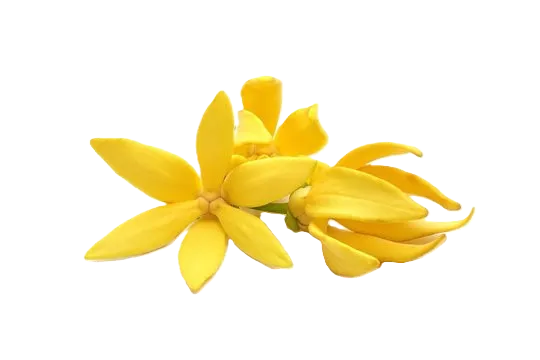
Ylang-ylang, a tropical flower with a dense, narcotic aroma, is usually presented in perfumery with a powdery profile and facets that can feel heavy. Here it appears transformed: creamier, more tropical, with a buttery texture that softens some of the truffle's initial impact. Along with the truffle, it's the note most consistently identified during the first minutes of development.

Gardenia and jasmine also begin to surface in this phase, though they take center stage later in the heart. In the opening, they act as an indolic floral backdrop, a perfumery term for flowers with a carnal, almost animalic facet, adding to the overall density.

The result is an opening usually described as dark, earthy, and immediately present, with a fruity counterpoint that adds complexity rather than lightness. Victoria, editor at Bois de Jasmin, calls it a femme fatale entrance: it may not win everyone over on first contact, but it's impossible to ignore.

Notable impressions:

  • Merlotsupern on Parfumo portrays it as a mix of truffle, bitter orange, and an earthy sweetness that only comes into focus once the perfume settles on the skin.
  • TristanKalus, also on Parfumo, recalls his first impression: "repulsive, rotten, heavy, morbid," but years later rediscovered the opening as a blend of zesty bergamot, dark sour berries, and an opulent base that takes its time to reveal itself.
  • Andrei Lensky, writing for Fragrantica News, evokes this opening as a nighttime walk among flowers and fruit trees: first a ripe, juicy nectarine, then osmanthus blossoms swept away by a sharp autumn gust, carrying the scent of damp earth blanketed in golden leaves.

A consistent pattern among reviewers and users is that this opening frequently causes rejection on first contact, especially on paper, but evolves very differently on warm skin, where the earthy elements settle in and the whole composition gains balance.

Perceptions on Fragrantica:

The most repeated pattern among users about this phase is almost a unanimous warning: Black Orchid shouldn't be judged on paper or in the first minutes on skin. The opening can feel harsh, medicinal, or outright off-putting to those unprepared for it, but it transforms significantly within minutes.

Several reviews identify a balsamic edge in those first moments that recalls camphor or ointments, a facet that isn't listed among the official notes but appears consistently enough to be considered a recognizable expression of the interaction between truffle, black currant, and the formula's spiced compounds.

What stands out is that this same initial rejection is cited by many as the reason they gave the fragrance a second chance, and that the shift into what it becomes on warm skin is described, almost universally, as a revelation.

Heart

Once the truffle and citrus notes settle, Black Orchid reveals its most complex core: a dark, spiced floral heart with a velvety density.

If the opening evoked damp earth and fruit on the verge of fermenting, this phase moves toward something different: a flower that doesn't exist in nature, wrapped in warm spices and macerated fruit, with a texture that available descriptions compare to velvet or black silk.

The axis of this phase is the black orchid accord, the note that gives the perfume its name. Kate, of Escentual, details that Tom Ford worked with a Californian nursery to cultivate a real black orchid.

Victoria notes on Bois de Jasmin that the scent was captured using headspace technology, a technique developed by Givaudan's Roman Kaiser that records the aromatic molecules of a living flower without cutting it.

The result is a constructed note that reads as a dense, faintly carnal floral, hard to pin to any specific flower yet unmistakable within the whole.

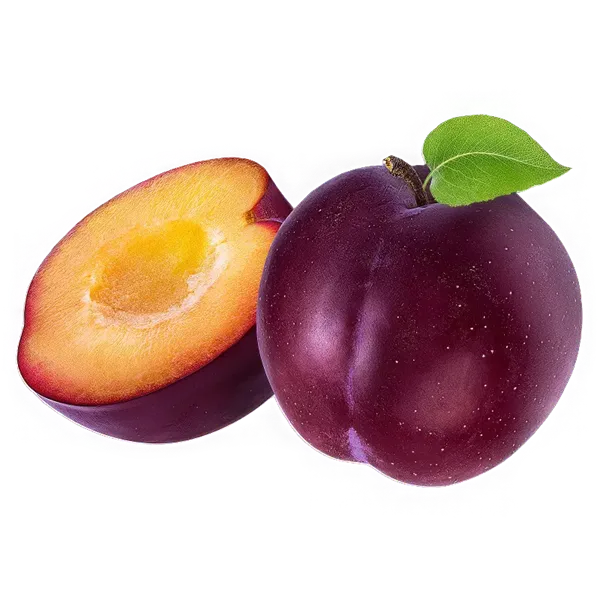
Black plum, treated as a fruit macerated in rum, adds volume and a sense of indulgence without tipping into conventional sweetness. The brand itself describes it as surrounding the orchid in what it calls a golden sensuality.

Gardenia and jasmine, already present in the opening, gain more weight here. Eddie Bulliqi notes that these white flowers push the intensity white hot, with a carnality edging toward the lewd, casting the patchouli in silhouette to accentuate its darkness to the point of oblivion.

Ylang-ylang appears stripped of its usual profile: without the powderiness or heaviness that typically accompanies it, it's presented purely in cream and curve, with a buttery, subtly tropical texture that reinforces the overall density.

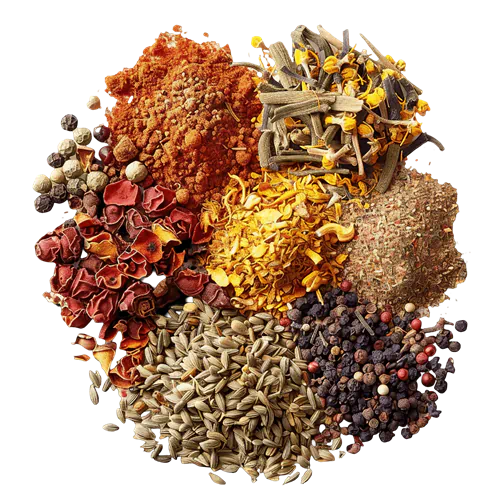
Spices, among them pepper, cinnamon, and ginger, run through the florals with a subtle warmth that gives them weight without overpowering them. They don't register as individual notes but as a temperature that permeates the entire heart.

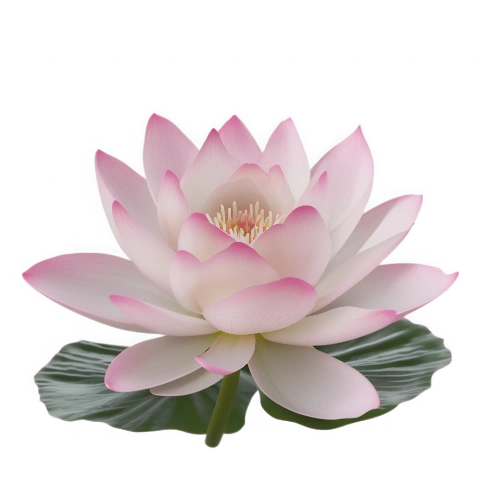
Lotus, an aquatic flower with a soft, faintly green profile, introduces the one discreet counterpoint that tempers the overall opulence without altering its character.

Notable perceptions:

  • Nicoleta Tomsa, contributor at Cafleurebon, describes it as the feeling of falling through a downward spiral of heavy, dark velvet curtains, with orchid, jasmine, spices, and nectar-filled fruit dancing on the skin for hours.
  • On ¿Qué Olor Tiene?, the 30-minute mark is described as a center dominated by labdanum with spiced floral veins and dry woods; by the first hour, tones of wood, leather, and black tea emerge. These are interpretive impressions rather than official notes in the formula.

What sets this heart apart is that its florals are present but processed: darkened, fused into a spiced, creamy mass that resists easy dissection.

Reviews on Parfumo:

  • FioreMarina evokes flowers with an almost narcotic character over damp earth, alongside a sense of aged flower water and a fruity facet edging toward fermentation without quite reaching it.
  • Merlotsupern notes that after the opening, a core of wet, mildly indolic orchid emerges, balanced by a quasi-minty patchouli and spices.
  • MarkusH perceives balsamic and woody accords intertwining, evoking warm Oriental nights and bodies wrapped in black silk.

Perceptions on Fragrantica:

Rather than picking out individual notes, most users perceive a compact accord that keeps shifting shape. The flowers don't read as traditional florals, but as wrapped in a spiced, creamy character.

Many agree that it's between the 30-minute mark and the first hour that the fragrance reveals its best version, winning over even those who doubted the opening.

Drydown

After two or three hours of development, Black Orchid leaves behind the intensity of the opening and the spiced heart to settle into a warmer, more enveloping, and surprisingly comforting phase.

What remains recalls dark chocolate, damp earth, and creamy vanilla, close to a bitter cocoa ganache over wood. The darkness is still there, but it now feels softer and more welcoming.

Patchouli anchors this stage. Rather than reading as overly earthy or herbal, it amplifies dark chocolate and damp-earth facets, lending a creamy, velvety texture.

Eddie, of Fragrantica, notes that it's the only note that keeps a clearly recognizable identity within a composition where every other ingredient seems to transform into something new.

Vanilla, too, doesn't read as conventionally sweet. It's dense, creamy, and almost buttery. Marlen Harrison, of Fragrantica News, compares it to a buttercream, the kind found in certain milky oriental fragrances.

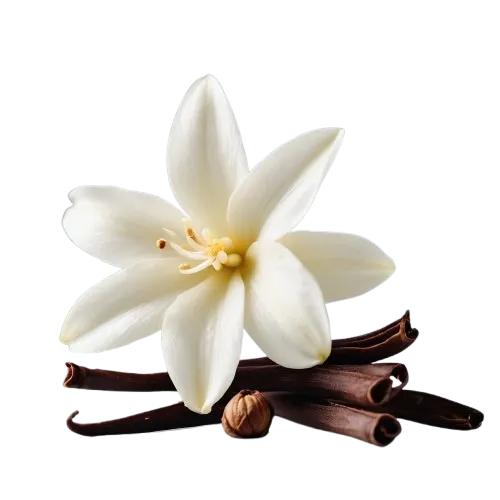
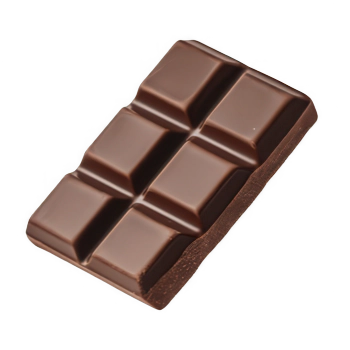
Mexican chocolate reinforces the base's dark side without tipping it into full gourmand territory. It reads as more bitter and spiced than sweet, blending with the patchouli to create the signature ganache-like sensation many users point to.

Incense adds a smoky nuance that keeps the base from becoming exclusively gourmand. Sandalwood contributes creaminess, while vetiver brings a subtle dryness that balances the whole. Amber and white musk round out the base with a luminous, lasting warmth.
Reviews on Parfumo:

  • FioreMarina describes vanilla's arrival as a relief after the initial darkness: a veil that softens the composition and shifts its character.
  • Merlotsupern perceives a warm base of vanilla, incense, and dark plums, with a restrained sweetness that preserves the composition's maturity.
  • Leimbacher considers it one of the most romantic drydowns he's smelled, noting over 12 hours of longevity on his skin.
  • loewenherz describes a deep, velvety patchouli that settles into accords of wood and smoke, in an intimate, enveloping way.

Varanis Ridari, of The Scented Devil, describes the finish as a patchouli base trailed by traces of musk, chocolate, florals, and spice over an amber foundation. The one less convincing aspect for him is a slightly itchy amber glow within a fragrance he otherwise considers exceptional.

Perceptions on Fragrantica:

The drydown is the most appreciated phase of Black Orchid among Fragrantica users and, for many, the one that finally makes sense of the whole evolution. Chocolate, patchouli, and vanilla merge into a warm, dark, enveloping accord, with a gourmand touch that never turns overly sweet.

It's also the point where the fragrance becomes more accessible to those who found the opening challenging. The sillage is perceived as more refined, and longevity draws constant praise, with many users reporting that the scent lingers on skin or clothing well into the next day.

Cabecera

Performance

Longevity | Projection | Sillage
How Long Does Black Orchid Last?

Fragrantica users vote it mostly as long lasting, followed by very long lasting, with both categories accounting for the large majority of votes. Sillage has been voted strong, closely followed by enormous.

  • Longevity Scale: Very Weak, Weak, Moderate, Long Lasting, Very Long Lasting
  • Sillage Scale: Intimate, Moderate, Strong, Enormous

Experiences on Parfumo:

  • Merlotsupern reports over 8 hours on skin, with strong sillage during the first two.
  • Leimbacher places it at 12 hours or more, describing it as one of the longest-lasting fragrances he's worn.
  • Ergreifend, who isn't a fan, admits the full drydown only arrives at the 13-hour mark, with the scent firmly anchored in clothing.
  • MarkusH mentions up to 20 hours with an equally intense sillage.
  • DonJuanDeCat, also critical of the fragrance, admits enduring it for 6 to 7 hours before washing it off.

Independent Reviews:

  • Kate, on Escentual, notes an average duration of 6 hours, though in her own case it reaches 8 hours.
  • Marlen Harrison, of Fragrantica News, notes 8 hours on skin, warning that it projects strongly and that "a little goes a long way," recommending caution when applying.

Black Orchid opens with an intense projection that can fill a room, tapers into a more intimate and personal phase, and closes persistently, especially on fabric.

When to Wear It

Season

According to the consensus across major fragrance community platforms, Black Orchid performs best in cold weather. Fall and winter are the most recommended seasons, while summer is generally discouraged due to its intensity.

Palonera, a Parfumo user, wore it on a day of nearly 30°C (86°F) with a single, minimal application, and describes the result as surprisingly pleasant, though she acknowledges that extreme restraint was key. Rather than disproving the rule, this confirms it: in cold weather it performs effortlessly; in heat, it demands calculation.

Time of Day and Context

Its dark, sensual character makes it, above all, a nighttime fragrance. Both user votes and reviews consistently link it to evenings, nights out, and special occasions, far more than daily or professional wear.

Some reviewers even recommend applying it sparingly given its intensity, especially in enclosed spaces. The contexts where it fits best include:

  • Evening outings, formal dinners, and social events, where its opulence finds the right stage.
  • Romantic occasions, though its intensity can feel like too much for some.
  • Cold-weather office settings, a valid option but one that calls for restraint in application.

Cabecera

Creation

Perfumer | Philosophy | Composition
How Black Orchid Was Created

This wasn't a side project or a commercial afterthought: it was a statement of intent from a brand looking to define itself from its very first creation. Tom Ford partnered with Givaudan to bring it to life, and the result has since been considered a benchmark of contemporary oriental perfumery.

Ford himself explained in an interview with L'Express that he had come across countless remarkable raw materials over the years, chasing ideas that were eventually set aside for being too commercial or too costly. It was only while preparing his Madison Avenue boutique in New York that he decided to dedicate a corner of it to perfumery, and those earlier ideas resurfaced.

The fragrance was conceived to evoke timeless luxury and cosmopolitan glamour, both modern and enduring at once. From the start, it was positioned as a perfume for insiders: a fragrance that doesn't chase consensus, much like its creator's own style.

The Flower That Didn't Exist

The project's central element posed a real botanical challenge. Ford wanted to build the fragrance around a black orchid, but that flower didn't exist in nature. To solve this, he worked with a Californian nursery to cultivate his own variety. As Ford himself put it:

This wasn't about an ordinary orchid, Ford said, but "something a little more strange and rare." He wanted the blackest orchid he could find, and those aren't easy to come by.

Givaudan's Roman Kaiser, an expert in both orchids and headspace technology, captured the elusive scent of this flower, specially cultivated for the project. The technique records a living flower's aromatic profile without destroying it or extracting its essence in the conventional way, producing a faithful olfactory representation of something that, until then, had no precedent.

Years later, this same technology would be used again within the line: Black Orchid Reserve introduced a new star note, the Ghost Orchid, an elusive white flower captured via headspace at the exact instant it bloomed.

The Perfumers

Black Orchid's creation was the work of two perfumers who collaborated from the original commission under Givaudan: David Apel and Pierre Négrin.

David Apel, who would later join Symrise, built the fragrance's core architecture: a richly complex oriental capable of holding the tension between darkness and seduction that Ford was after, with fruit pushed to the edge of ripeness, indolic florals, a heart of imagined orchid, and a dense base of patchouli, chocolate, incense, and vanilla.

Pierre Négrin, who would go on to build a notable career at Firmenich, contributed the more technical and conceptual dimension. Since the black orchid has no scent of its own, Négrin had to break it down and try to bring its imagined aromas to life through other accords.

According to Firmenich, where Négrin would later work, the perfumer particularly enjoys "rather complex notes: animalic facets, bitter or warm tones, even spicy notes."

With Black Orchid, he put that talent to work trying to recreate the chiaroscuro of a forest floor through the fragrance's signature truffle accord. For him, luxury stems from what is rare and genuine.

Both perfumers were brought back ten years later to formulate the Eau de Toilette version, crafting a new take with more dynamic accords and a greater emphasis on fresh notes.

A Fragrance That Launched an Aesthetic

Beyond its formula, Black Orchid established the creative DNA of the entire house. This fragrance's truffle and patchouli would reappear, paired with rose and oud, in Noir de Noir (2007), the first release in the Private Blend line. Years later, Velvet Orchid (2014) was commissioned to four Givaudan perfumers with the goal of reinterpreting the same universe in a more feminine, less provocative key.

As Eddie Bulliqi noted on Fragrantica, its profile wasn't just outstanding and novel at launch: its exceptional performance ensured that, over the years, a maximum share of the public would eventually encounter it and come to associate it with its distinctive olfactory signature.

Cabecera

Bottle

Design | Materials | Symbolism

The Black Orchid Bottle

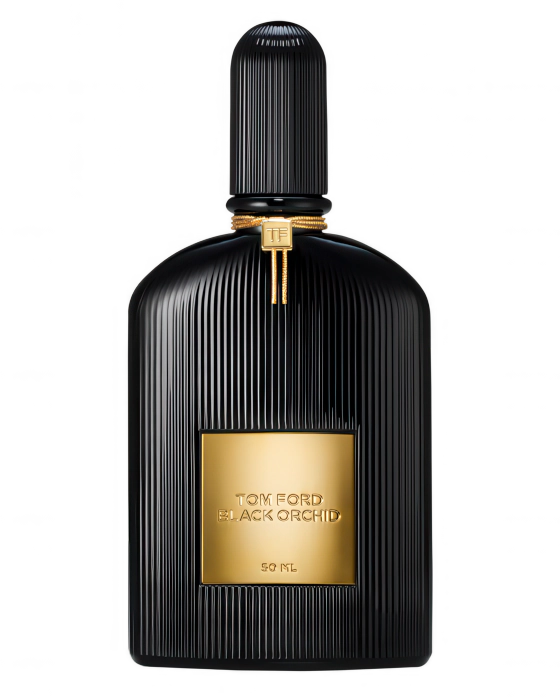
The Black Orchid bottle is one of the most recognizable elements of the Tom Ford house, a piece that, since its launch, has defined the visual identity of the entire Signature line.

Its design was conceived by Doug Lloyd and draws on Art Deco architecture from the 1920s and 1930s, reinterpreted with contemporary restraint.

The body is made of fluted black glass, wide and flat, with rounded shoulders that curve gently toward the neck. Vertical flutes run across both the body and the cap, creating a uniform texture that gives the whole piece its tactile and visual character.

This fluted detail, along with the black color, is one of the recognizable signatures across the entire line.

At the center of the bottle sits an engraved gold plaque reading "TOM FORD / BLACK ORCHID" along with the volume in milliliters, a detail several users describe as modernist in feel, with a futuristic quality reminiscent of a vial from the Alien universe.

At the top of the neck, a braided gold cord ends in a small square charm embossed with the "TF" initials, a detail that lends the piece a note of discreet jewelry.

The outer box features a fluted gold finish with black accents, keeping to an elegant minimalism. Together with the bottle, it projects a modern aesthetic inspired by the 1920s, striking and hard to pin to any single gender.

Presentation and Editions

The Eau de Parfum is available in 10 ml, 30 ml, 50 ml, 100 ml, and 150 ml sizes, along with a travel atomizer. A 15 ml Parfum was also released as a limited edition of 5,000 numbered, signed bottles, produced by Lalique.

For its tenth anniversary in 2016, Tom Ford introduced the Black Orchid Lalique Edition, the most concentrated version available at the time. It was produced in a black Lalique crystal bottle and limited to 1,200 units worldwide.

According to Duty Free Hunter, this edition reinterpreted the original design with a wider, vintage-inspired silhouette, keeping the fluted black glass and the decorative neck chain, but replacing the front plaque with a golden metal band at the base.

Cabecera

Campaign

Concept | Ambassadors | Narrative

The Visual Aesthetic of Black Orchid

From its very first visual, the Black Orchid campaign established a language of its own. Tom Ford drew inspiration from a 1941 George Hurrell photograph of Veronica Lake: hair spilling loose, dramatic lighting, a pose of surrender and anticipation.

As Elena noted on Perfume Shrine, Ford chose classic Hollywood glamour as a deliberate starting point, not as nostalgia.

The first face was Julia Restoin Roitfeld, daughter of Carine Roitfeld, then editor-in-chief of French Vogue. The campaign pictured her with red lips, dreamy hair, and a bedroom gaze. She wasn't a supermodel or an actress: she came from fashion's inner circle, and that choice alone signaled who the fragrance was speaking to.

A Rotation of Faces

Over the years, Black Orchid kept renewing its image with models who shared that same magnetic presence. The documented record shows a steady progression:

  • Spring 2012: Mirte Maas, photographed by Tom Ford himself at a Palm Springs residence
  • Fall/Winter 2013: Zuzanna Bijoch, under Tom Ford's direction
  • 2014: Cara Delevingne, photographed by Mario Sorrenti under the creative direction of Trey Laird
  • 2016: Mica Argañaraz, filmed by Nick Knight with fashion editing by Carine Roitfeld
  • 2020: Shayna McNeill and Stan Taylor, photographed by Nick Knight with Carine Roitfeld as fashion editor

The recurring presence of Nick Knight as photographer and Carine Roitfeld as fashion editor reveals a deliberate strategy: keeping a coherent visual core that could evolve without breaking the dark, sensual code that defines the fragrance.

The Turn Toward the Extraordinary

The most significant shift came in 2025, with the launch of Black Orchid Reserve. The brand chose Tilda Swinton: an actress, not a model, an Academy Award and BAFTA winner whose presence in fashion has always been selective and driven by affinity. The campaign was designed by Haider Ackermann, Tom Ford's creative director since 2024, and photographed by Inez & Vinoodh.

Swinton herself spoke about her connection to the project, describing how the themes of transformation and magic drew her in, and calling Black Orchid Reserve "precisely such an enchantment."

The official statement describes her in fluid motion, likened to nature's own magnetic pull: no dark water, no nudity, just presence.

It was a bet on intellectual rarity over conventional beauty, in keeping with the fragrance's original philosophy.

It Won Over Men Too

One detail that ended up shaping the brand's communication strategy was Black Orchid's unexpected pull among male wearers. According to Kate, of Escentual, Tom Ford himself became aware of this crossover when the driver taking him to the Oscars was wearing the fragrance, which at the time was marketed to women.

Ford asked him if he knew he was wearing a women's fragrance, to which the driver replied, "I don't care, it smells great on me." That moment, according to the source, was the spark that led the fragrance to officially adopt a unisex positioning, in keeping with Ford's own gender-free vision of perfumery.

Cabecera

Awards

Awards | Reviews | Recognition
In 2022, Black Orchid was inducted into the Fragrance Hall of Fame by the Fragrance Foundation in the United States, the organization's most significant honor for fragrances with a lasting impact on the industry.

The award explicitly recognized the work of Pierre Négrin and David Apel, as well as Givaudan and The Estée Lauder Companies.

Fragrantica Readers' Choice Awards

Fragrantica's 2nd Readers' Choice Awards (2018)

  • 5th place, Best Unisex Fragrance category
  • 2nd place, Best Women's Fragrance Voted by Men category
  • Winner, The Legend of the Latest Decade for Women category
  • 3rd place, Fragrance with the Best Longevity category

Fragrantica's 4th Readers Awards (2020)

  • 3rd place, Super Sillage 6ft Plus Mask for Women category

Nominations

  • 2026: Germany's Duftstars nominated Black Orchid in the Classic, Women's Fragrance category. The award, whose specialized 39-member jury met at the Kunstpalast in Düsseldorf to select 54 fragrances across nine categories, evaluates originality, quality, sillage, and bottle design.

Editorial Recognition

  • The Perfume Society included Black Orchid in its guide "50 Fragrances You Need to Try in a Lifetime", describing it as an instant cult classic since its launch.
  • Tiffany Dodson Davis selected it in Harper's Bazaar as one of the 10 Fragrances Readers Couldn't Stop Buying in 2025, quoting master perfumer Yann Vasnier's account of how the original Black Orchid earned legendary status by defining a floral expression that was entirely unexpected and without parallel.
  • Vogue highlighted it in What The First 25 Years of The Century Smelled Like as one of the two most iconic fragrances of 2006.

Cabecera

Variations

Editions | Concentrations | Flankers

Other Versions in the Line

  • Black Orchid Eau de Toilette: Created by the same perfumers for the fragrance's tenth anniversary, with more dynamic accords and greater emphasis on fresh citrus notes while preserving the essence of the original. According to reviews, it is a reinterpretation that uses tuberose as its defining twist.
  • Black Orchid Parfum: Described as a denser, longer-lasting version, with more pronounced rum and ylang-ylang.
  • Velvet Orchid: A sweeter, more feminine reinterpretation of the Black Orchid universe, featuring honey and rum. It was created by four Givaudan perfumers with the intention of softening the original's provocative character.

Comparison with Other Fragrances

  • Patchouli Magnetik by Maison Crivelli: Eddie, writing for Fragrantica, describes it as a more niche interpretation of Black Orchid, built around the same patchouli-gardenia pairing but with greater separation between the materials and a lighter, airier character in the drydown.
  • Noir de Noir (Tom Ford Private Blend): Varanis Ridari notes that Tom Ford directly carried over the truffle and patchouli from Black Orchid to build Noir de Noir (2007), pairing them with rose and oud.
  • Poison by Dior: The Parfumo user FrauLohse finds a direct resemblance to the original Poison, describing both as "dark fruity opulence that simply doesn't care whether you like it."
  • Flowerbomb by Viktor & Rolf: Robin, writing for NST Perfume, compares them not because they smell alike, but because of their context: both were launched by designers known for their irreverence and share a persistent sweetness, although Black Orchid stands out for its stronger personality and greater complexity.
  • Dior Homme: Marlen, writing for Fragrantica, recounts a customer's comparison between the two based on their overall unisex gourmand-amber character, although he himself does not consider the compositions particularly similar.

User Reviews

0.0 out of 5
0
0
0
0
0
Write a review

There are no reviews yet.

Be the first to review “Black Orchid Eau de Parfum by Tom Ford | Editorial Review”

El Atlas del Perfume
Logo