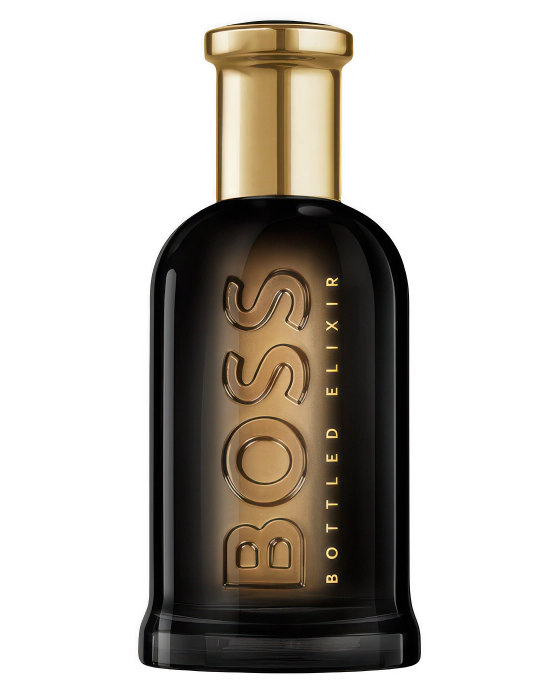
Boss Bottled Elixir Eau de Parfum by Hugo Boss | Editorial Review
Bottled Elixir captures the search for an inner light, a golden core emerging from darkness. Second only to Absolu in concentration within the Bottled lineup, it offers the mature man an intense, distilled version of himself.
WHAT DOES BOSS BOTTLED ELIXIR SMELL LIKE?
Boss Bottled Elixir opens with a warm, smoky burst of incense laced with the spicy bite of cardamom. It's a dense, enveloping entrance from the very first spray, with no citrus brightness or light preamble to soften the arrival: this is warm resin and spice from the outset, as if the fragrance chose to reveal its deepest character right away.
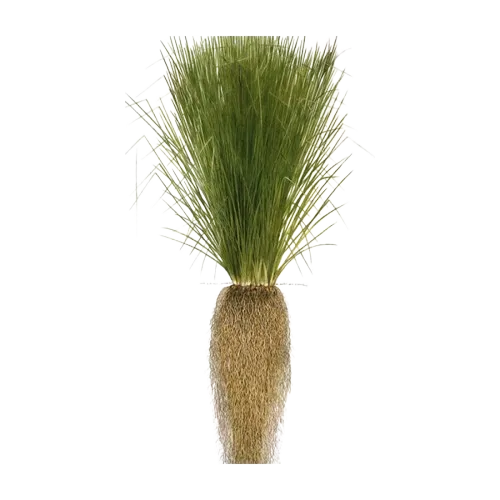
As the minutes pass, the scent settles into an earthy, woodsy heart, dominated by vetiver and patchouli. Here the impression is of a dry, powdery root melting into a dark backdrop, somewhere between bitter chocolate and freshly cut wood after the rain. This is the fragrance's most forest-like phase, warm and compact, where the smoke from the opening never fully fades but instead deepens into something more earthbound.
The base finally settles into woody amber territory: cedar brings a dry, sharp edge, while a sweet, honeyed resin wraps the composition in a warmth that many mistake for vanilla, even though none is actually present. It's a thick, persistent close that intensifies with the warmth of the skin, leaving a cozy, comforting trail for hours on end.


Specification: Boss Bottled Elixir Eau de Parfum by Hugo Boss | Editorial Review
|
 amazon.com
 Perfumers (2)

Annick Ménardo
Annick Ménardo is a French perfumer born in Cannes in 1959, recognized as one of the most influential creative voices in contemporary perfumery. Before turning to perfumery, she studied organic chemistry and medicine, a scientific background that shaped her precise, analytical approach. She later trained at ISIPCA in Versailles and began her career under Michel Almairac at Créations Aromatiques, who became her mentor.
In 1991 she joined Firmenich, where she composed some of her most influential works, including Hugo Boss's Boss Bottled, Dior's Hypnotic Poison, Bvlgari Black, Lolita Lempicka, and Le Labo's Patchouli 24.
In 2018 she moved to Symrise. Her style, often described as precise, exacting, and slightly dark, stands out for its use of unusual raw materials and for building bold, memorable olfactory identities.

Suzy Le Helley
Suzy Le Helley is a French perfumer whose olfactive sensibility took shape in childhood, surrounded by a family garden and the spices and aromatic herbs her mother brought back from travels. She trained at ISIPCA in Versailles and later at the Symrise Perfumery School in Holzminden, completing the four-year Global Fragrances and Ingredients Management program, where she attracted the attention of master perfumers Annick Ménardo and Maurice Roucel, who became her mentors.
For her final thesis she extracted a new aromatic substance from longoza seeds, a plant native to Madagascar — an island that holds a special place in her work through her ongoing connection with local producer communities. Her style is defined by short, precise formulas in which each ingredient plays a clear role in the olfactive narrative.
She has created fragrances for widely distributed brands such as Hugo Boss and Kenzo, and collaborated with Frédéric Malle on the first fragrance for Acne Studios. In 2023 she received the People's Choice Award at the Duftstars for Boss Bottled Parfum. Million Gold For Her by Rabanne is among her most notable creations.
The Scent
Fragrance Notes
| Source | Top Notes | Heart Notes | Base Notes |
|---|---|---|---|
| Hugo Boss | Incense | Vetiver | Cedarwood Essence |
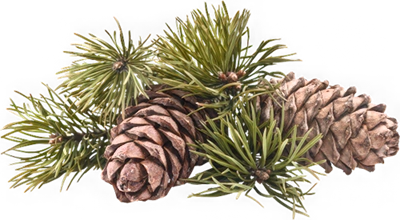
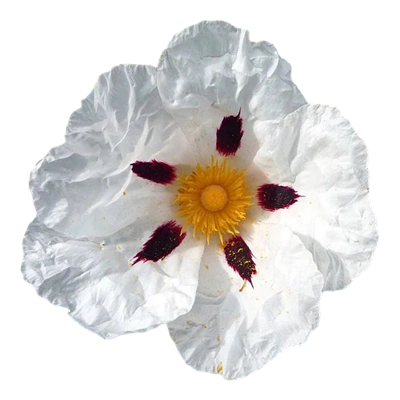
| Fragrantica | Cardamom, Incense | Patchouli, Vetiver | Cedar, Labdanum |
| Parfumo | Cardamom, Incense | Patchouli, Vetiver | Labdanum Absolute, Cedar |
Fragrance Family
| Source | Fragrance Family | Accords |
|---|---|---|
| Hugo Boss | Woody Amber | Not specified |
| Fragrantica | Oriental Spicy | Woody, Amber, Warm Spicy, Aromatic, Patchouli, Earthy, Balsamic, Fresh Spicy |
| Parfumo | Not specified | Spicy, Woody, Smoky, Resinous, Oriental, Sweet, Earthy |
Cardamom and incense in the top notes, together with the dominant spicy accord noted on Parfumo, also point toward a Woody Spicy nuance, though the amber character remains the most representative trait overall.
Scent Evolution
Opening
Time Frame: 15 to 30 Minutes
There's no citrus or fresh opening here; from the very first spray, it comes across as intense and deep.
Hugo Boss's official notes list only incense (or frankincense, a resin from the Boswellia genus), while Fragrantica and Parfumo both add cardamom. The result is a creamy, balsamic incense, softened by cardamom's spicy, faintly sweet edge.
In the first few minutes, many wearers also pick up a fleeting sweetness, something like licorice, cola, or bubblegum, that fades quickly. A faint fresh flicker occasionally surfaces as well.
Incense stands out for how it behaves here. Usually reserved for the base, it shows up right from the opening and lingers through most of the fragrance's development, resurfacing alongside patchouli and vetiver later on. That makes the fragrance feel noticeably linear.
Meanwhile, cardamom fades into the background, gradually giving way to patchouli, which is detectable from the start and works to soften the density of the smoke.
The evolution also shifts depending on paper versus skin. On a blotter, it tends to read as sharper or more medicinal, while on skin the transition into the smoky, spicy profile feels noticeably smoother.
Heart
Time Frame: 2 to 4 Hours
This is the fragrance's most forest-like phase.
Incense and cardamom gradually fade into the background, with no abrupt shift marking the change. Hugo Boss cites only vetiver for this phase, but the launch press release, Fragrantica, and Parfumo all include patchouli as well.
The earthy facet also carries forward the smoky character from the opening, as Elena Vosnaki notes. Rather than disappearing, the smoke gradually transforms and can take on a leathery nuance. In some cases, a subtle green, almost minty touch surfaces as well.
Just before the fragrance transitions into the base, a dry nuance reminiscent of pipe tobacco emerges, even though it isn't part of the official pyramid. Its bitterness can also call to mind black licorice root or root beer. This accord reaches its peak intensity around the two-hour mark, within this phase's typical window.
Base
Time Frame: 3 to 4 Hours Onward
This is the fragrance's most amber-forward phase, leaving behind the earthy character of the heart.
The warmth of the skin intensifies this stage, letting labdanum take the lead. Although vanilla isn't part of the official composition, many wearers pick up an olfactory illusion of vanilla-like nuances, likely produced by the combination of labdanum and cedar as the fragrance dries down. A root beer-like echo occasionally surfaces as well.
The house lists only cedar for the base. The launch press release and specialized databases, however, also include labdanum, suggesting this discrepancy reflects a simplified official note list rather than an actual change in composition.
There's no official timing for this phase. Most descriptions of the fragrance's evolution place the shift toward this amber profile somewhere between the hour-and-a-half and three-hour mark, with the base fully settled by around the sixth hour, though the exact timing varies by skin type. Once reached, the scent stays fairly stable for many hours after that.

Performance
Longevity | Projection | Sillage
Creation
Perfumer | Philosophy | Composition

Bottle
Design | Materials | Symbolism

Campaign
Concept | Ambassadors | Narrative

Awards
Awards | Reviews | Recognition
Variations
Editions | Concentrations | Flankers
Related Products