Le Beau Eau de Toilette by Jean Paul Gaultier | Editorial Review

Add your review

Le Beau pushes seduction into unexpected territory: a creamy, tropical coconut that challenges conventional masculinity, wrapped in a tonka bean's restrained sweetness. Freedom without guilt, pleasure without apology.

Classification: Woody, Woody Amber, Woody Aromatic
Sillage: Moderate ●●○○
Longevity: Moderate ●●●○○

WHAT DOES LE BEAU EAU DE TOILETTE SMELL LIKE?

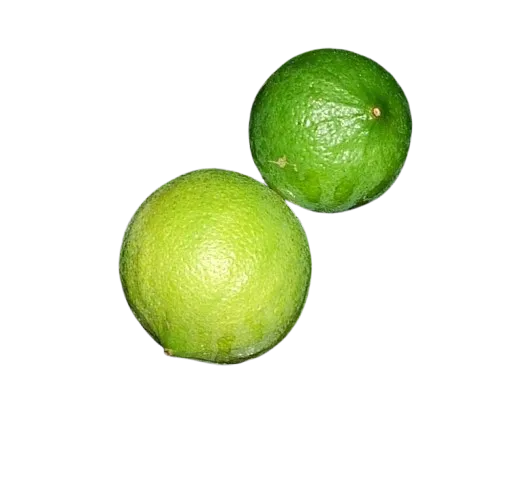
Le Beau's first impression is bright and citrusy: a luminous, faintly sugared bergamot opens the fragrance with immediate freshness, though without the green tartness of the fruit in its natural state. It's a vibrant opening, closer to candied citrus than fresh fruit, and it doesn't linger long. Within ten minutes, coconut begins to surface before the bergamot fully fades, making the transition into the heart smooth and almost imperceptible.

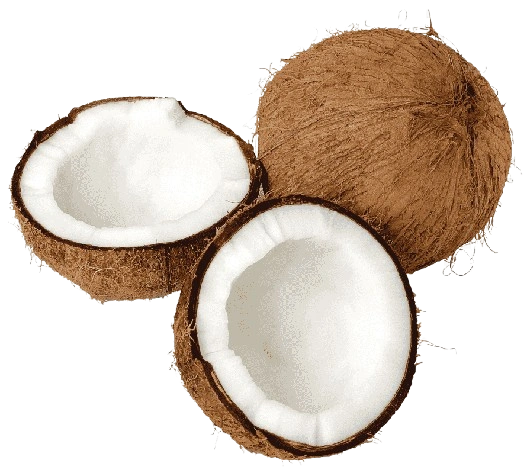
The heart is where Le Beau reveals its true identity. The coconut wood at its center evokes nothing woody or dry: what comes through instead is a soft, creamy, faintly watery impression, closer to coconut water than to wood in any literal sense. It's a restrained, elegant coconut, without the sunscreen-like saturation of a beach cream.

As this phase progresses, tonka bean gradually folds in, lending a soft, warm sweetness reminiscent of vanilla, blending with the coconut's creaminess and enriching the composition without overtaking it.

The base is the natural conclusion of this journey. Tonka moves to the forefront as coconut gradually recedes, and the result is enveloping and warm, like a fine-textured coconut body cream, with a faintly caramelized nuance that adds a quiet depth. By the end, once the coconut has fully faded, a soft, earthy foundation remains, closing the experience in a calm, intimate way, without excess, like a second skin that lingers without demanding attention.

Olfactory Pyramid
Top Notes

Heart Notes

Base Notes

Top Notes

Heart Notes

Base Notes

Top Notes

Heart Notes

Base Notes

Specification: Le Beau Eau de Toilette by Jean Paul Gaultier | Editorial Review

Concentration

Classification

, ,

Accords

, , , , , , ,

Longevity

Sillage

Style

, , , , , ,

Occasion

, , , ,

Season

, ,

Climate

, , ,

Line

Origin

Country

Year

Sizes

,

Duration

4 to 6 hours, 5 to 7 hours, 8 hours or more

View Current Deals

Offer amazon.com
Last update was on: June 30, 2026 20:30

Perfumers (2)

The Scent

Fragrance Notes

Source Top Notes Heart Notes Base Notes
Jean Paul Gaultier Bergamot Coconut Wood Tonka Bean
Fragrantica Bergamot Coconut Tonka Bean
Parfumo Bergamot Coconut Palm Wood Tonka Bean

Fragrance Family

Source Family Accords
Jean Paul Gaultier Woody Aromatic Fresh bergamot, addictive tonka bean sweetness, fragrant woody trail
Fragrantica Woody Aromatic Aquatic, amber, aromatic, citrus, coconut, sweet, fresh spicy, lactonic, nutty, tropical, vanilla
Parfumo Not specified Aquatic, fruity, woody, creamy, sweet, fresh, gourmand, synthetic

Under the official classification of the French Society of Perfumers, Le Beau falls within the Woody family, specifically the Woody Aromatic subfamily: coconut wood and tonka bean form the structural core, while bergamot supplies the aromatic, citrus-driven opening characteristic of this classification.

The sweet, vanillic profile of the tonka bean also suggests an affinity with the Woody Amber subfamily, whose warmth reinforces the gourmand quality several sources describe. Still, the bergamot and the composition's overall lightness keep the aromatic character dominant, setting Le Beau apart from the density typical of amber compositions.

Scent Profile

Opening Phase

~First 5 to 10 Minutes

Le Beau's opening is defined by bergamot, its only official top note, unanimously recognized by the brand and platforms like Fragrantica and Parfumo. It's a citrusy, vibrant, direct start, whose main role is to set up a contrast of freshness before the fragrance reveals its true character.

What's worth clarifying is the type of bergamot that tends to come through here. It doesn't evoke the fruit's more herbal, natural form, but rather a sweeter, brighter interpretation, closer to candied citrus.

This explains why part of the community describes these first moments as reminiscent of pineapple or sweet citrus rather than fresh fruit. It's a recurring perception with no basis in the official formula, but consistent with that synthetic, luminous treatment of the ingredient.

This phase is short-lived. Descriptions agree that bergamot fades as the lead note in under ten minutes, though it can linger as a background accord a bit longer depending on skin type and the amount applied.

There isn't an abrupt transition into the heart either: coconut begins to surface before the citrus fully retreats, producing a smoother opening than the official pyramid suggests.

Standout Impressions:

Opinions are divided on which note truly leads the opening. Some, like Gary Webb at The Smell of Man, note that coconut takes over from the very first spray, leading ahead of bergamot.

Others see this citrus opening as the fragrance's most memorable moment, lamenting how quickly the transition into the heart happens. Both readings coexist, reflecting that this phase is probably the most subjective of the three.

Parfumo Reviews:

  • Sleth describes the opening as briefly fresh and citrusy, with a hint of menthol surfacing just before coconut takes the lead — a subtle nod to the original Le Male's DNA that fades quickly.
  • Swcar notes that the fragrance "starts modern" before taking a brief detour through earlier chapters of the line, suggesting the opening activates olfactory references for those familiar with the house's history.

Fragrantica Impressions:

The opening draws a split response. Part of the community values it as a juicy, effervescent start, highlighting the citrus-coconut combination that's already hinted at in these first few minutes. Others point to its somewhat artificial character and brevity as the least convincing aspects.

What does emerge as a clear pattern is that the opening functions as a prelude, not the main argument: the fragrance reveals its real identity once coconut and tonka take over.

Heart Phase

~5 to 30 Minutes

Le Beau's heart is built around coconut wood. The name might suggest something woody and dry, but what actually comes through in practice is nearly the opposite: a creamy, soft, faintly watery sensation, closer to coconut water than to wood in any strict sense.

The woody dimension is there, but it operates as a background structure that lends body without claiming the spotlight — a balance reflected in Parfumo's voting data, where the creamy character far outweighs the woody one.

Marc, from the Robes08 YouTube channel, who spent seven days analyzing the fragrance, describes it as a coconut-water effect that acts like a veil over the base, noting that the absence of a floral component, such as ylang-ylang, is precisely what keeps this heart away from suntan-lotion territory.

That absence gives the phase a more restrained, modern character than the name might suggest. There's also a minority reading, though consistent with the official listing, that perceives the coconut with a drier texture, closer to shell or toasted coconut.

Alongside the coconut, tonka bean starts to emerge in this phase without yet becoming dominant. The transition is gradual: coconut recedes as tonka builds in volume, and the creaminess of the whole intensifies.

Among the most-voted accords on Fragrantica are coconut, vanilla, sweet, lactonic, and creamy — perceptions that don't correspond to officially listed notes but accurately describe how this heart is actually experienced on skin: more like a soft, sweet cream than a woody fragrance.

A hard-to-pin-down fruity facet, which part of the community links to pineapple, also shows up fairly often in this phase. Unsupported by the official formula, it's likely a perception born from the interplay between coconut's sweetness and tonka's sugary character.

Standout Impressions:

Sandra Raičević at Fragrantica News picks up a shaving-cream sensation as a light counterpoint to the tonka, an echo of the original Le Male's fougere family resurfacing subtly in this phase. It's a distinctive reading, but a plausible one for anyone familiar with the line's history.

Parfumo Reviews:

  • Sleth describes the heart as coconut water with a touch of vanilla, adding that in warmer temperatures a brief watery, green note surfaces just before the coconut asserts itself — a nuance that fades quickly but fits the ingredient's fresh character.
  • Swcar picks up a brief detour toward Le Male Essence in this phase, as if the heart momentarily triggers an olfactory memory of the line before settling into coconut — a reading that lines up with Sandra's observation on Fragrantica about the fougere echo.

Fragrantica Impressions:

The heart tends to pleasantly surprise those expecting a more aggressive or sun-drenched coconut. The prevailing impression is one of a controlled, creamy, and pleasant coconut that doesn't overwhelm in this phase.

Several users who described themselves as not particularly fond of coconut acknowledge finding a more wearable, appealing version of the ingredient here, which speaks to the balanced treatment perfumers Quentin Bisch and Sonia Constant gave this central phase.

Base Phase

~30 Minutes Onward

The base rests on a single note: tonka bean, a sweet, warm, faintly vanillic ingredient that defines the fragrance's final character once the coconut wood steps back.

It doesn't come across as an intense or expansive tonka, but instead as a creamy, soft, restrained version, with moderate sweetness and a light powdery nuance. This restraint contributes to the composition's overall balance and keeps the base from feeling overly heavy.

The evolution can be split into two moments. In the first, tonka and coconut coexist in a creamy, balanced way, producing a sensation reminiscent of a soft, sweet, faintly vanillic coconut cream. Although vanilla isn't among the official notes, this perception comes up repeatedly across sources.

Later on, coconut gradually recedes and tonka takes on a bigger role. The profile becomes less tropical, slightly earthier and more restrained, though it keeps its soft, enveloping character. Some users also pick up a subtle fougere echo that faintly recalls Le Male's DNA.

A light caramelized or amber-like nuance may also surface, adding depth to the drydown. It's not a dominant element, but it does add texture to an otherwise fairly simple composition.
User Impressions:

Basti87 on Parfumo notes that as the drydown progresses, tonka comes forward while coconut naturally recedes, describing the combination at its most balanced point as close to Raffaello, the well-known almond-and-coconut candy.

On Fragrantica, those expecting an intense, sun-drenched coconut tend to find a calmer, more enveloping take in this base. The restrained tonka bean and the perceived vanillic sweetness create what many describe as a second skin, one that's hard to stop smelling.

This is a base that isn't out to impress from a distance — it's meant to work up close, reinforcing the fragrance's intimate, social character. Once the coconut finally fades, what remains is a light, faintly earthy tonka that some users consider the most restrained, serene close to a fragrance otherwise defined by tropical sweetness.

Cabecera

Performance

Longevity | Projection | Sillage
How Long Does Le Beau by Jean Paul Gaultier Last?

Le Beau is a moderately performing fragrance, with no big ambitions on projection but nothing disappointing either, given what it sets out to do. The most commonly cited range falls between 5 and 7 hours, with sillage opening with more presence and gradually settling down toward the base.

Fragrantica users place longevity mainly in the moderate range, with a significant group finding it long lasting. Sillage follows a similar pattern: moderate as the dominant perception, with a notable portion finding it strong at the start.

Parfumo Experiences:

  • Sleth places it between 4 and 6 hours, with decent projection only during the first hour, and warns that the dark green liquid can stain light-colored clothing.
  • Leimbacher and Basti87 both report a more generous experience, with 8 hours or more and good initial sillage.
  • Chearsky reports an exceptional experience of nearly 13 hours, well above the general consensus.

Independent Experiences:

  • Best Men's Colognes calls it the weakest performer of the line, lasting 5 to 6.5 hours with lower projection than Le Parfum.
  • Marc from the Robes08 channel agrees on a range of 5 to 7 hours with medium projection, though he considers it perfectly acceptable for this type of fragrance.

Overall, Le Beau opens with presence, settles into a discreet middle phase, and closes gently, with fabric serving as an occasional ally in extending the experience.

Best Occasions to Wear It

Season

Le Beau is a spring and summer fragrance, with fall as a solid secondary option. Users on both Fragrantica and Parfumo strongly back it for the warmer seasons, with winter being the least favored choice on both platforms.

Time of Day and Setting

The fragrance leans toward a predominantly daytime, casual profile, with clear versatility for nighttime wear. Daytime use dominates on Fragrantica, while on Parfumo leisure and daily wear stand out, followed by nights out.

Fits Well in Contexts Like:

  • Casual leisure: beach, lake, vacations, no-pressure plans.
  • Casual daily wear, especially in warmer months.
  • Nights out, bars, parties, and high-energy social events.

Le Beau is geared mainly toward informal, social, leisure settings, where its tropical, laid-back profile works better than in formal environments. At the same time, its balanced, unobtrusive character makes it suitable for daily wear and even the workplace.
Cabecera

Creation

Perfumer | Philosophy | Composition
Le Beau was born as a flanker to Le Male, the men's fragrance Jean Paul Gaultier launched in 1995, which would go on to become one of the most recognized men's perfumes on the market.

It officially launched on July 1, 2019, under the Puig label, with simultaneous travel retail distribution across Europe, the Americas, and Asia Pacific. Alongside it came La Belle, its feminine counterpart born from Classique, completing a duo conceived from the outset as an inseparable pair.

Gaultier's Garden: A Brand Mythology

The inspiration running through the project is the biblical story of the Garden of Eden, reimagined as "Gaultier's Garden": a space of temptation, freedom, and attraction between the masculine and the feminine. The brand built this universe through a parable-style campaign text, written in the style of Genesis, with Gaultier himself standing in for the creator.

It tells how, on the first day, the garden came into being; on the second, La Belle and Le Beau; on the third, the most delightful sins; and on the fourth, rest.

This mythology isn't purely decorative. The chosen notes — exotic coconut, luminous bergamot, and enveloping tonka — translate that imagery of sensual nature, relaxation, and guilt-free pleasure into scent.

The Perfumers

The fragrance was signed by Quentin Bisch and Sonia Constant, two perfumers with extensive track records collaborating with renowned houses.

Although both are credited jointly across all official sources, there are signs the work was actually split: Bisch reportedly led the composition of Le Beau, while Constant took creative direction on La Belle — a distinction that emerges from Robin's coverage on Now Smell This, where the two fragrances are credited separately to each perfumer.

The launch campaign describes them not as technicians but as explorers: they teleported into Gaultier's garden, immersed themselves in that strange, serene world, and came back captivated by the New Earth, with a special place in their hearts for Le Beau and La Belle.

It's a deliberate move by the brand, elevating the creative process to the level of sensory experience before it's ever treated as a formulation decision.

A Differentiating Bet Within the Line

From a compositional standpoint, Le Beau was a risky move within the house itself. Virile lavender and predictable vanilla, the notes that typically anchor Gaultier's aesthetic, gave way to a coconut wood with an exotic, tropical character with no direct precedent in the brand's men's catalog.

This choice didn't go unnoticed: the bottle's muscular torso hinted at something more conventionally classic, and the fragrance's actual personality came as a surprise once discovered. That, however, was precisely the intent: to stand apart, modernize the line, and appeal to a younger crowd without abandoning the bold, hedonistic spirit that defines the house.

From a market perspective, the move also made competitive sense: Puig and Bisch appear to have spotted a gap in the men's coconut fragrance segment that other major groups had failed to fill.

Creative Decisions in the Formula

Among the internal technical decisions, the treatment Bisch gave the tonka in this composition stands out. Known for using that note with considerable power in later works, here he opted for a deliberately lighter version, without the almond-like qualities or expansive projection that characterize other signatures of his.

The tonka bean comes across as creamy, softly vanillic, and well integrated, adding sweetness and structure without dominating the composition. This restraint contributes to the fragrance's overall balance. Beyond the three official notes, the development also hints at undeclared secondary nuances, particularly caramel and amber-like facets that add further depth to the heart.

The Connection to Le Male: An Integrated Tribute

The fragrance also carries a subtler link to its origin. Those well acquainted with the original Le Male can detect a barely-there fougere echo in Le Beau: a shaving-cream-like reminiscence that appears as a soft counterpoint to the tonka.

Sandra describes it on Fragrantica as a modern, simplified, yet present fougere echo of Le Male: a tribute that isn't announced but that anyone familiar with the line can pick up on.

While the brand officially treats Le Beau as a flanker, for many who've analyzed it, it's practically an independent creation, one whose olfactory DNA has little to do with the original it nominally descends from.

Philosophy and Purpose

The purpose behind its creators' vision is well summed up in the definition the house itself built around the fragrance: a natural man who loves seduction and freedom in their simplest form.

As stated on the Jean Paul Gaultier website, nothing feels fresher or more powerful than Le Beau. Designed to be slightly bold and make an impression, it reflects the philosophy of a house that has spent decades making elegant excess its signature.

Cabecera

Bottle

Design | Materials | Symbolism
Bottle Design

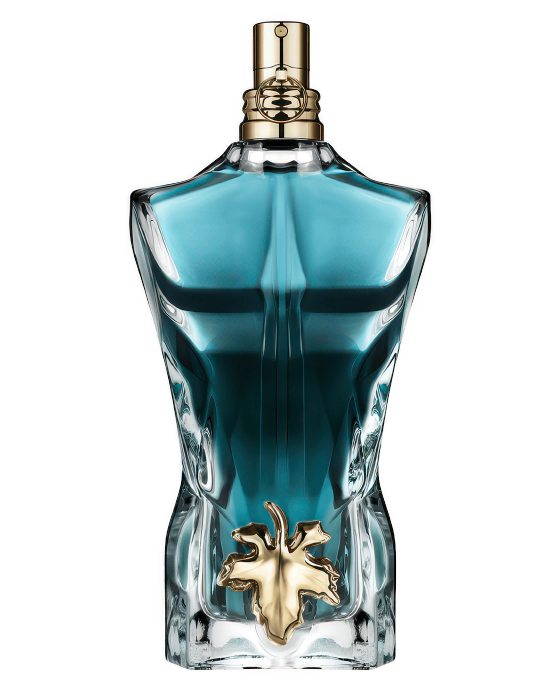
Before anything else, Le Beau's bottle is a figure. A headless, limbless male torso — just the body in its most essential form, from the shoulders down to the base, with a stylized anatomy that evokes classical sculptural tradition more than naturalism.

The broad shoulders, defined chest, and narrow waist form a silhouette the brand itself describes as a dream physique: lean, with prominent muscles, conceived as a symbol of ultra-sexy masculinity.

It's crafted from translucent faceted glass in a blue-green or turquoise tone that shifts with the light, moving between green and watery blue. A series of vertical grooves and facets runs down the body from the shoulders to the base, creating reflections and a sense of movement that animates the otherwise static shape.

The sprayer and neck feature a gold metallic finish, creating a deliberate visual contrast between the glass's translucent coolness and the metallic elements' warmth.

The detail that defines the whole piece is the golden leaf placed low on the torso. Organic and stylized in shape, evoking both the vine leaf and the biblical fig leaf, it functions simultaneously as the figure's only garment and its central symbol.

It's not a simple ornament: it's the element that turns the bottle into the Adam of Gaultier's Garden, barely covered by the icon that has, for centuries, stood at once for innocence and temptation.

The launch campaign describes it as a golden vine leaf placed carefully right where the eye tends to linger.

This design was conceived as one half of a visual duo. Its counterpart is La Belle, the feminine bottle shaped like a woman's bust, crafted in pink-red glass and crowned with a necklace of golden roses. Where Le Beau is cool, watery, and bare, La Belle is warm, floral, and ornate.

Together they build the visual story of Gaultier's Garden — the house's Adam and Eve — a pairing that gives the whole design project its meaning.

Packaging

Le Beau Eau de Toilette comes in 75 ml and 125 ml sizes, both as sprays. The bottle ships in Jean Paul Gaultier's signature metal tin, an iconic element that visually links it to the rest of the collection.

For this edition, the tin takes on a dark emerald-green tone, sometimes described as petrol blue, with gold lettering that keeps chromatic consistency with the bottle's metallic details.

The Le Beau line also features a pull-tab opening mechanism reminiscent of a grenade pin before spraying. It's a functional detail that adds a bit of theater to the experience and fits perfectly with the house's provocative spirit.

Cabecera

Sustainability

Sustainability | Ethics | Ingredients

According to the product page published by Fragrance House, Le Beau is presented as a fragrance made with vegan-sourced ingredients and free of animal cruelty.

Beyond the fragrance itself, Jean Paul Gaultier Parfums has rolled out a broader responsibility policy across the entire line. Since 2022, new formulations have incorporated 90% naturally derived ingredients, and the brand has adopted stricter standards than those required under European legislation, voluntarily eliminating ingredients considered potentially harmful to health or the environment.

On the packaging side, all boxes and cases use FSC-certified cardboard and 100% recyclable cellophane, e-commerce shipments go out in eco-designed boxes, and gift sets have eliminated plastic entirely. Adding to this is the development of refillable bottles, launched in 2021 with Scandal pour Homme and gradually expanded to other products in the range.

These commitments fall under Puig Group's ESG 2030 agenda, which includes goals such as helping limit global warming to 1.5°C and reaching net-zero emissions by 2050.
Cabecera

Campaign

Concept | Ambassadors | Narrative
Gaultier's Garden

Visual Universe and Launch Narrative

Le Beau's campaign was built around a single concept: the Garden of Eden reimagined as Jean Paul Gaultier's own private garden. A space of temptation, freedom, and attraction between the masculine and the feminine, where every sin is permitted and seduction is the only rule.

This universe was communicated through a campaign text written in a parable-like tone, echoing the biblical Genesis, with Gaultier himself standing in for the creator. The brand didn't cast a famous face to front it: the campaign's models remain anonymous, nude and covered in flowers and leaves, holding the bottles alongside apples as forbidden fruit.

The real visual protagonist is the torso bottle itself, the archetypal figure that needs no identity to be recognized.

The campaign took two distinct visual forms: images of live models in that dreamlike, botanical setting, and still-life compositions bringing together the entire bottle family — Classique, Le Male, Classique Essence de Parfum, Le Male Essence de Parfum, and the new Le Beau and La Belle — anchoring the launch within the house's visual continuity.

The campaign narrative closes on a line that reads like an ironic statement of principle about image itself: "Presentation is everything – and nothing!"

Launch and Commercial Strategy

The launch happened alongside La Belle, its feminine counterpart, amplifying both the campaign narrative and the event's visibility. That decision reinforced the Garden concept: without one, the other loses part of its meaning.

The positioning targeted a young, modern man who enjoys being noticed and isn't afraid of something bolder. Le Beau is made for the young urban man who likes to draw attention. The house defines it as a fragrance of seduction and freedom in its simplest form.

From a market perspective, the launch can also be read as a bet on strengthening the presence of tropical coconut fragrances in the men's segment, a category that had historically had a bigger foothold in the women's market.

Line Expansion

Le Beau EDT's commercial success held up over the years: the fragrance spawned multiple flankers, becoming a consolidated subfamily within JPG's catalog.

The most notable is Le Beau Le Parfum, launched in 2022 and described as a more intense version, with a wider, darker bottle than the original, marketed as a "naughty, paradisiacal, and deliciously forbidden" fragrance.

Le Beau Flower Edition: A New Face for the Line

In January 2025, Jean Paul Gaultier introduced Le Beau Flower Edition Eau de Parfum with a campaign that marked a significant shift from the anonymity of previous launches: for the first time, the Le Beau line put a named face front and center.

Noah Luis Brown, a Swiss-Cuban model, was chosen as the face of the fragrance in a campaign photographed by Elizaveta Porodina and directed on video by Florence Tetier, as reported by The Fashionisto.

The visual universe revisits Eden's secret garden but reinterprets it through a surrealist lens: dreamlike floral backdrops, soft, dreamy lighting, and the model dressed only in white pants, his skin lit as if it were part of the botanical landscape.

The campaign, according to The Fashionisto, blurs the lines between nature and fantasy, pushing the original garden concept into more clearly artistic, surreal territory.

Cabecera

Awards

Awards | Reviews | Recognition
Le Beau's bottle has been recognized twice by international perfume industry organizations, cementing it as one of the standout designs of its generation.

Editorial Recognition

Cabecera

Variations

Editions | Concentrations | Flankers

Within the Le Beau Line

Le Beau EDT is the starting point for a line that has spawned several flankers, with Le Beau Le Parfum standing out as one of the most notable. Both versions share coconut wood and tonka bean as their pillars, but diverge in character.

The eau de toilette offers a lighter, more direct, summery experience, while Le Parfum brings in pineapple, ginger, iris, and sandalwood for a more complex, intense, and long-lasting result, with noticeably greater longevity.

Preference Between the Two Is Divided:

  • At Best Men's Colognes, the author considers Le Parfum's greater depth and performance make it the definitive version of the line.
  • Sleth on Parfumo takes the opposite stance: he appreciates precisely the accessible simplicity and laid-back spirit of the EDT, and feels Le Parfum loses what makes the original appealing.

Relationship to Le Male

Le Beau's relationship to Le Male is one of the most recurring debates among those who've analyzed the fragrance. Visually, Le Beau inherits its torso bottle from Le Male Essence de Parfum (2016), also signed by Quentin Bisch, establishing a clear continuity within the house's aesthetic universe.

Olfactively, though, the distance is considerable: several sources agree that Le Beau abandons Le Male's defining elements — lavender, its fougere character, the original 1995 signature — in favor of a tropical, gourmand profile with no precedent in the line.

This leads some to question its status as a flanker at all: Leimbacher on Parfumo argues that the original's olfactory DNA no longer plays any meaningful role, a stance Sleth shares in considering Le Beau something of its own, independent.

Others, however, detect a fleeting hint of menthol in the opening that they read as an echo of Le Male before coconut takes full command, and consider that the connection, though faint, still holds.

Position in the Market

Against reference points in the men's fresh-sweet segment like Paco Rabanne's Invictus, Le Beau shares the category but sets itself apart with a more distinctive freshness and a less exuberant sweetness. That same restraint separates it from fragrances like Versace Eros or Paco Rabanne 1 Million, whose bigger, bolder character tends to be more polarizing.

Several authors place Le Beau somewhere in between: present and noticeable, but without the aggressiveness of those references. Leimbacher, meanwhile, goes further and draws it closer to Armani Code than to the Le Male universe, arguing that its true identity distances itself both from its house predecessors and from the market's big sweet hits.

Its signature blend of creamy coconut over tonka bean is often compared to Raffaello chocolates or coconut water — references several sources use to place its profile: lusciously tropical, without tipping into excess.

User Reviews

0.0 out of 5
0
0
0
0
0
Write a review

There are no reviews yet.

Be the first to review “Le Beau Eau de Toilette by Jean Paul Gaultier | Editorial Review”

El Atlas del Perfume
Logo